Architecture of Power


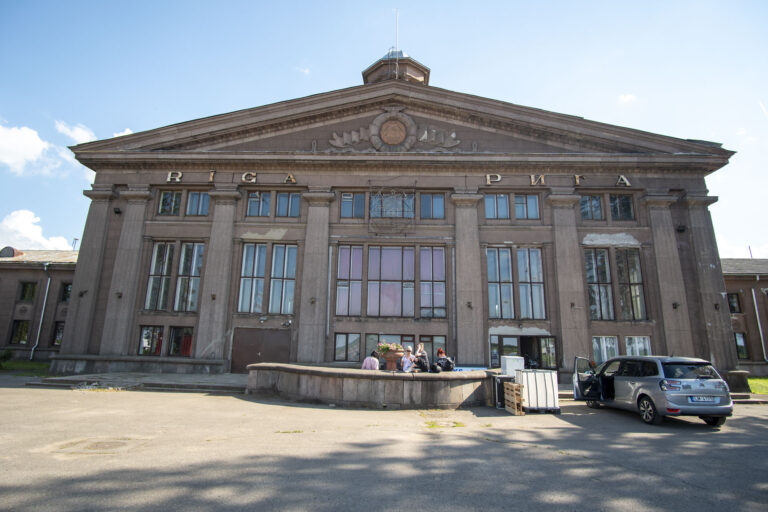
1
Introduction and framing of the research
Photo: Lorem ipsum dolor sit amet, consectetur adipiscing elit.
Humans have always organised and shaped space, giving rise to the phenomenon of humanised space with the onset of the sedentary revolution some 12,000 years ago❶. Whereas hunter-gatherers see themselves as part of a larger continuum of events, sedentary humans modify the existing environment to express prevailing beliefs, values and ideologies. Architecture, i.e. the design of the built environment (and the discourse around it), is therefore intimately linked to these hegemonic beliefs, values and ideologies that societies put forward. The design of buildings and places bears lasting witness to them:
That is, the built environment carries meaning, which this research seeks to decipher – with a particular focus on how the built environment of Socialist Realism.
1
André Leroi-Gourhan (1993 [1964]) Hand and Speech. Cambridge, Massachusetts & London:
MIT Press